FAQs
Your questions, answered
EV charging
Do I need a panel upgrade to add an EV charger?
Sometimes. A Level 2 charger is a large continuous load, and many older Chicago homes are still on 100-amp service. I start with a load calculation of your existing panel. If there's room, the charger goes on a dedicated circuit. If not, a load-management device can usually keep you charging without a full service change — and a 200-amp upgrade is laid out as an option with numbers behind it.
How much does it cost to install an EV charger in Chicago?
It depends on three things: how far the charger is from your panel, whether the panel has room for a dedicated 240-volt circuit, and the charger itself. A straightforward Level 2 install near the panel is the low end; a long conduit run, a service upgrade or a load-management device adds to it. You get a free written estimate before anything starts — scope it here or text (630) 466-4495.
Can I install a Level 2 charger on a 100-amp service?
Often yes, with a load calculation. If the numbers don't work on paper, a 30-day in-situ demand study (NEC 220.87) or a load-management device — it pauses or throttles charging when the house is drawing heavily — usually avoids a full 200-amp upgrade.
Which EV chargers do you install?
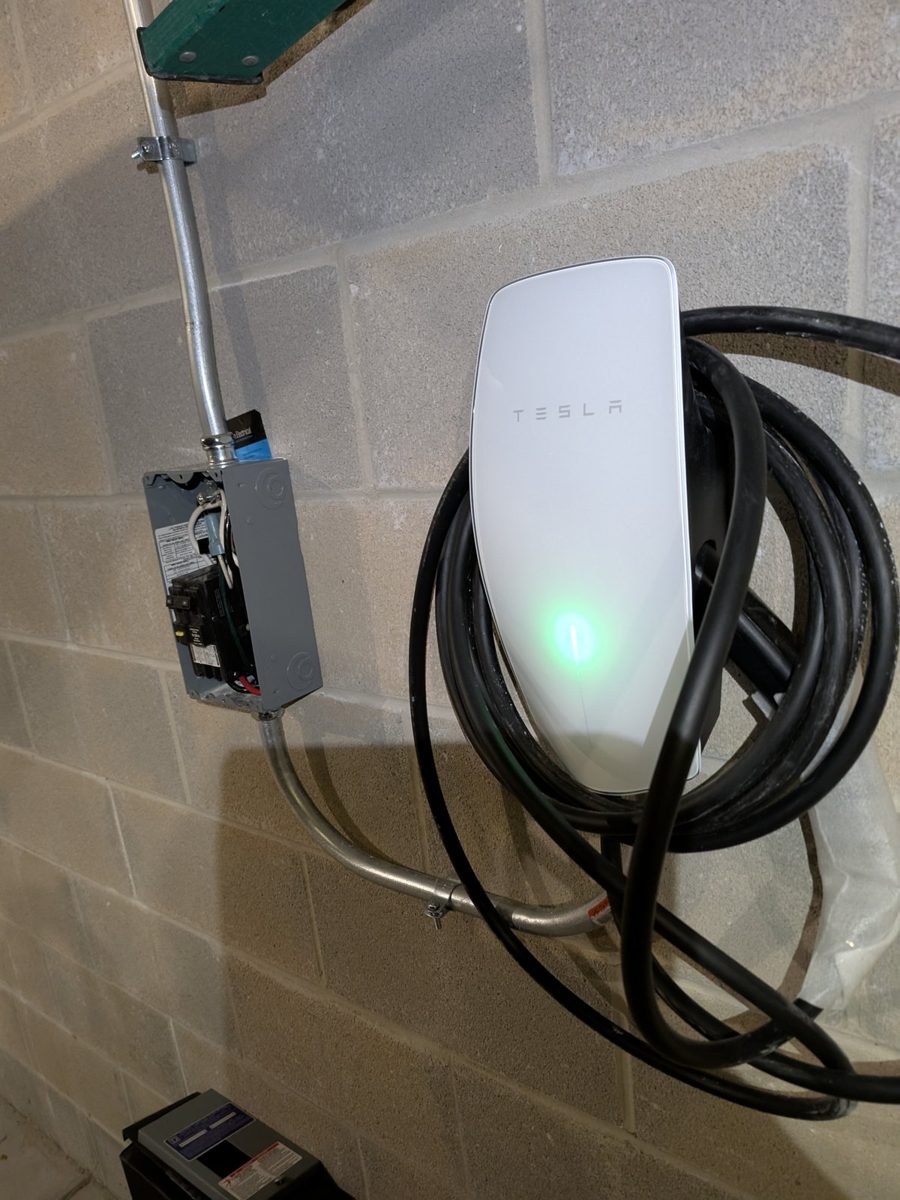
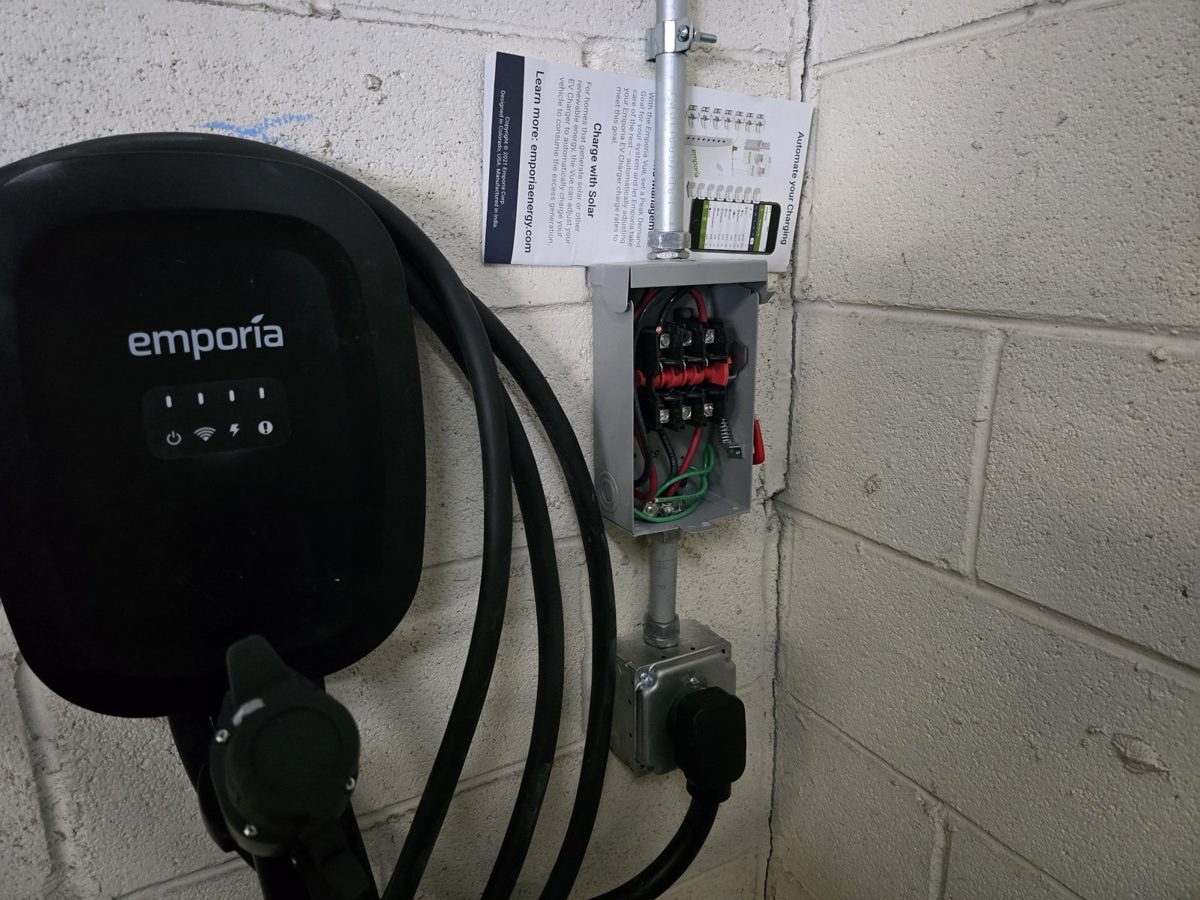
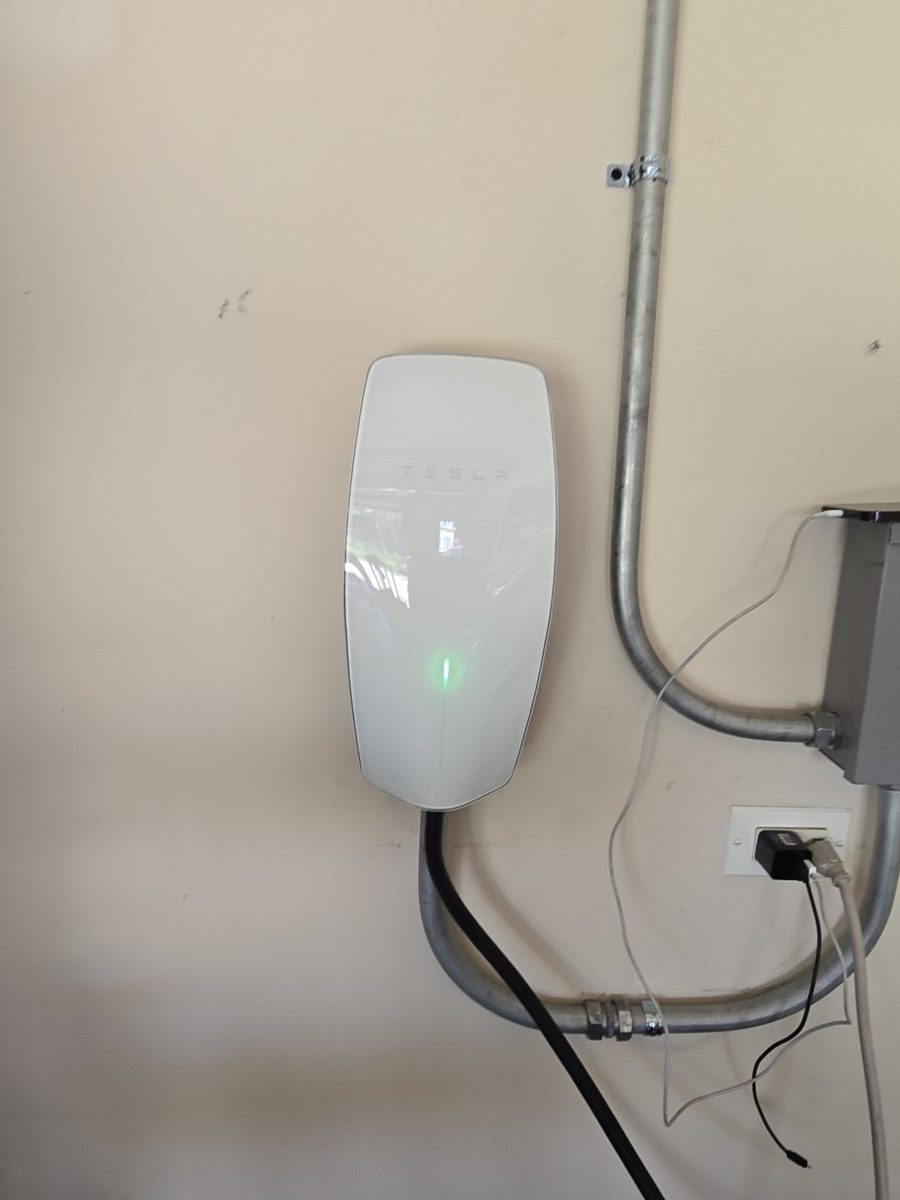
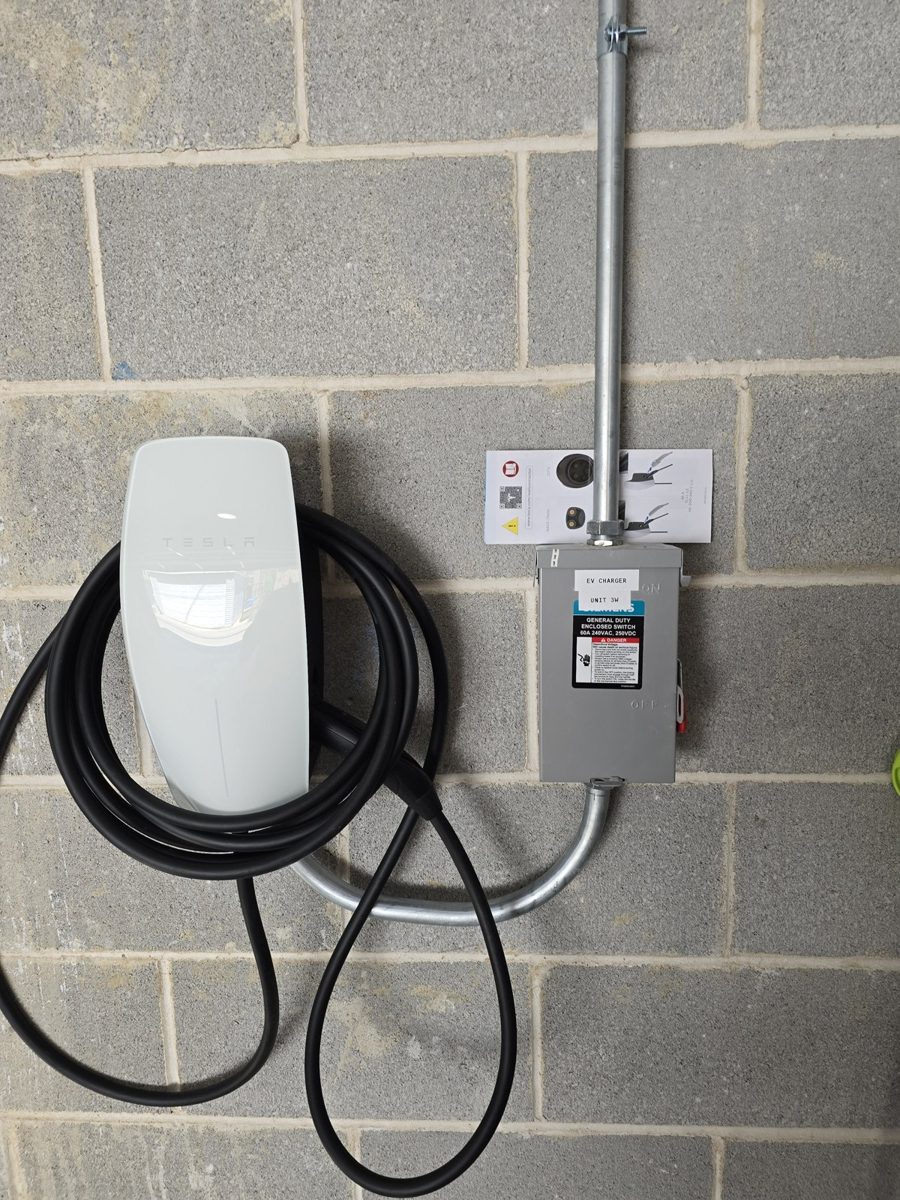
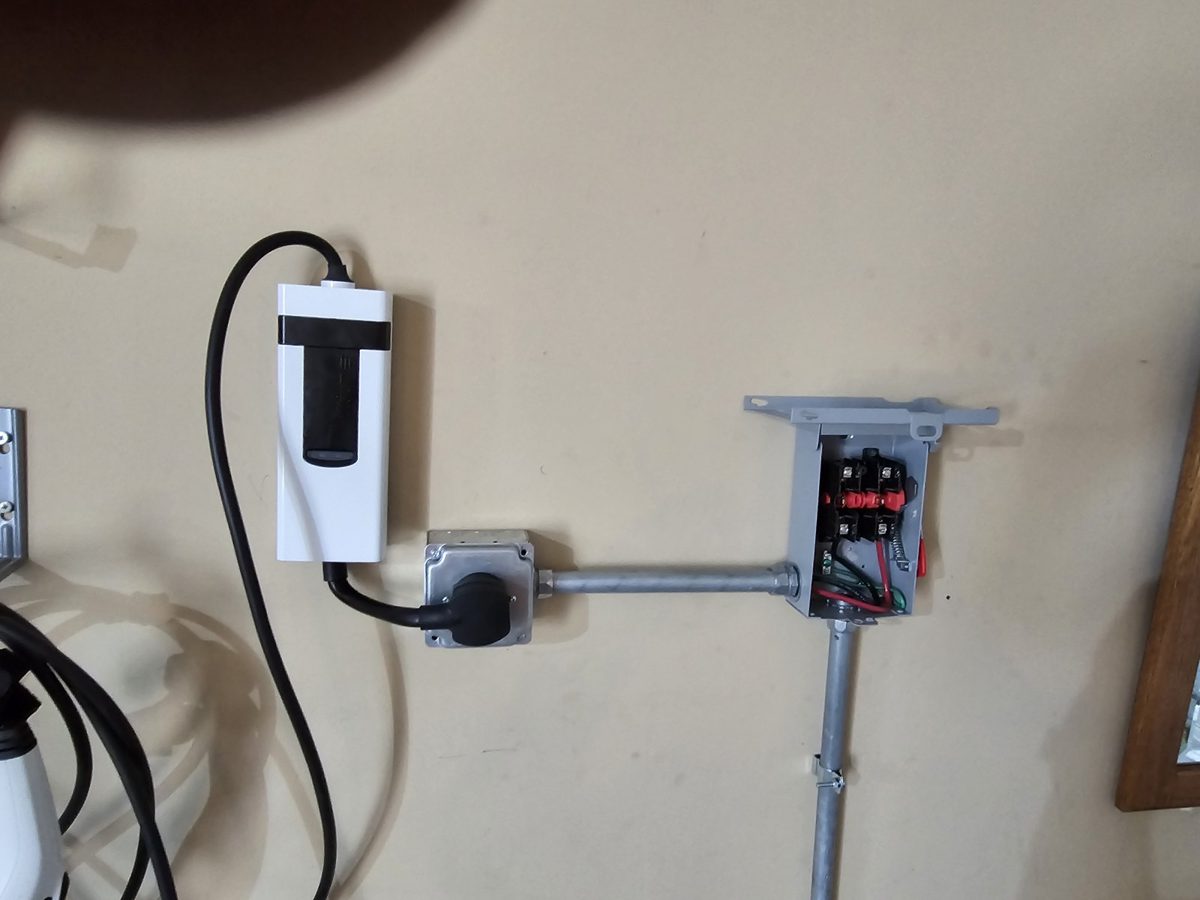
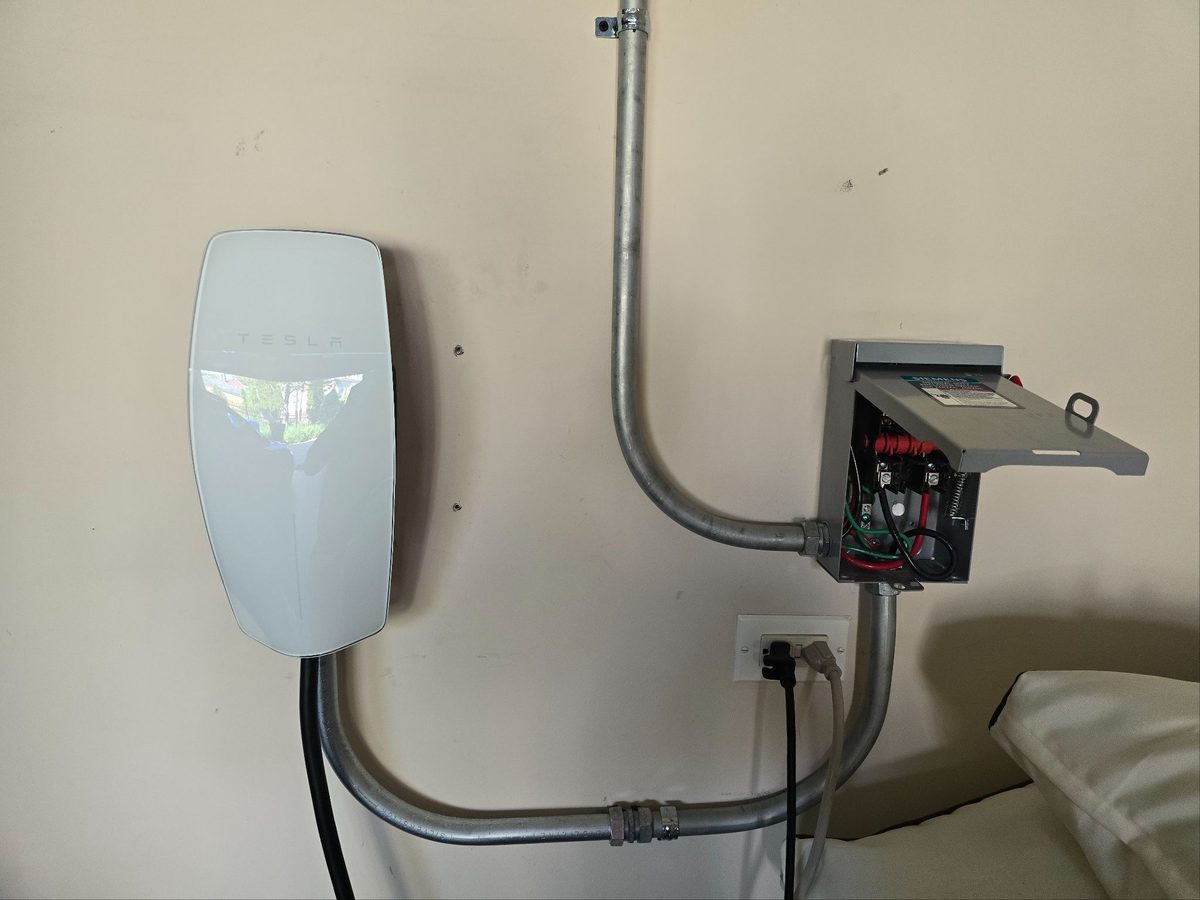
Tesla Wall Connector and Universal Wall Connector, Rivian, Ford, ChargePoint, Emporia, Wallbox and other UL-listed J1772 or NACS chargers — or a NEMA 14-50 outlet if you'd rather plug in a mobile connector.
Do I need a permit for an EV charger in Chicago?
Yes. A new 240-volt circuit requires an electrical permit and inspection in Chicago and in most suburbs. Permitting and inspection are handled as part of the job.
Is there a rebate for a home EV charger in Illinois?
ComEd offers residential rebates on Level 2 charger installations, and Illinois runs EV incentive programs that change from year to year. Ask during the estimate and I'll tell you what your home qualifies for.
How long does an EV charger installation take?
Most Level 2 installs take a half day to a full day of on-site work once the permit is approved. A 200-amp service upgrade is a separate day and depends on ComEd scheduling.
Do you install EV chargers in condos and multi-unit buildings?
Yes. Condo and HOA installs usually mean a dedicated circuit from your unit's meter or a load-managed shared circuit for several chargers, plus building-management sign-off. I handle the electrical design and coordinate with the building.
Kitchens, smart homes & demand studies
What is an 80-amp culinary suite?
An all-electric kitchen's dedicated circuits: a 40–50 A induction range or cooktop, a 30 A wall or steam oven, and 20 A circuits for the dishwasher, disposal, microwave, refrigerator and countertop outlets — usually 80 amps or more of new load. I design the appliance schedule with your kitchen designer before drywall so nothing shares a circuit and inspection is routine.
What does "local control" mean for a smart home?
Lights, scenes, shades and cameras respond on your own home network instead of a vendor's cloud. They keep working when the internet is down or a company shuts a service off, and no subscription is required to turn on a light. Lutron, Philips Hue and hard-wired cameras are the usual building blocks; if you run Home Assistant, I wire for it.
What is an in-situ demand analysis?
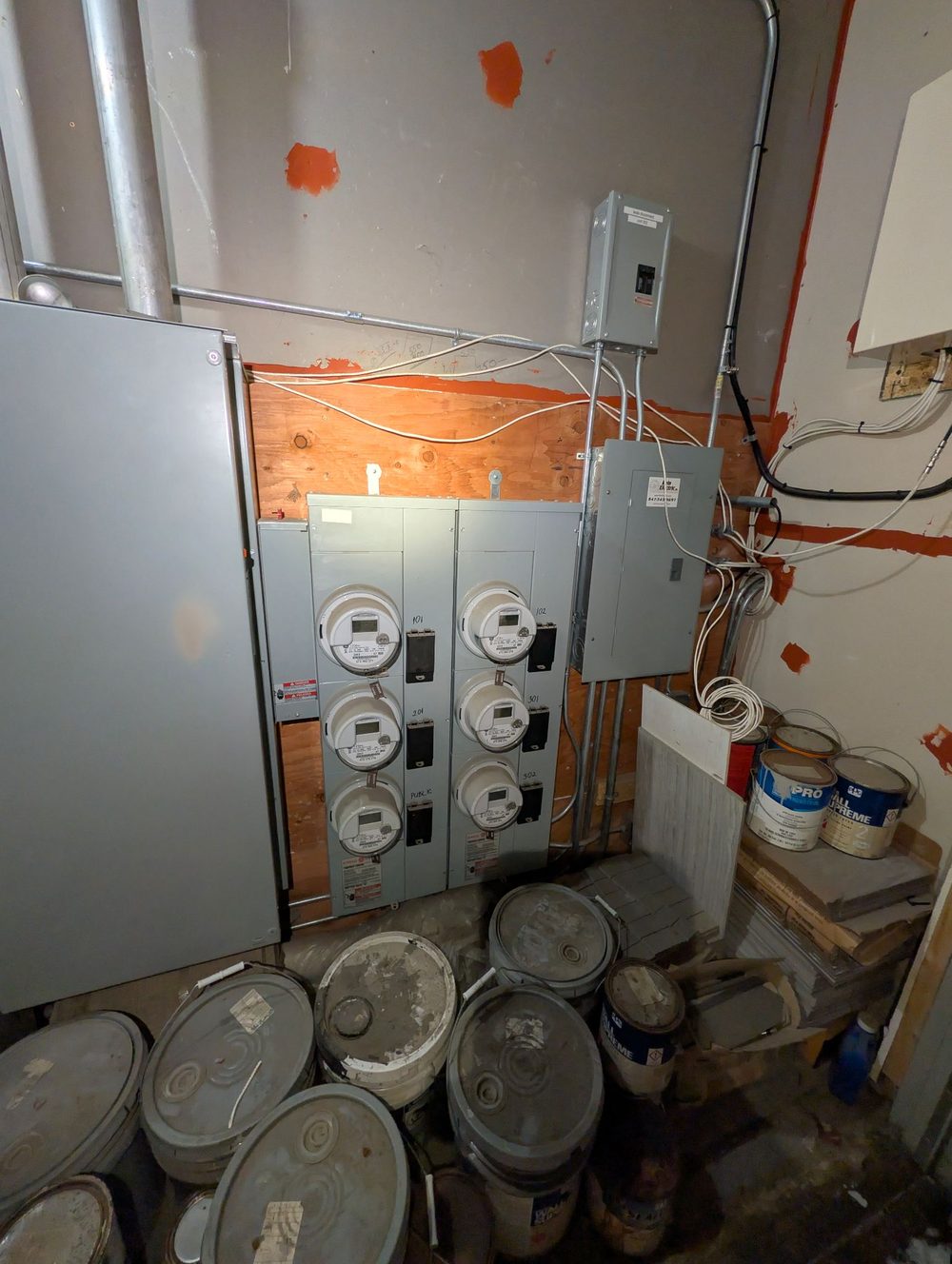
A recorded load study at your existing panel over 7 to 30 days using the NEC 220.87 method. It shows your home's real peak demand instead of a code-book estimate — which tells you whether you truly need a 200-amp upgrade, whether load management covers an EV charger, and where the load actually is. You get a one-page written report.
What smart home systems do you install?
Lutron and Philips Hue lighting control, hard-wired security cameras, structured networking (Ethernet, Wi-Fi access points, rack-mounted gear), whole-home audio and home theater wiring, and smart panels with load management.
Estimates & the basics
How do estimates work?
Scope it at abrahamelectrical.pro/start, text, or call. We start with a quick conversation about your goals and timeline, then an on-site look. You get a written proposal with phased recommendations so you can choose the level of work that fits your budget — no obligation.
What's the typical timeline?
Most residential jobs run through assessment, design, material procurement and installation. I share a schedule at kickoff and keep you posted at each milestone.
Where do you work?
Based in Chicago (60609) and working across the city — South Side, downtown and North Side — Cook County and the surrounding suburbs out to the Fox Valley, including Aurora, Naperville, Yorkville and St. Charles.
Are you licensed and insured?
Yes — licensed and insured, and every new circuit is permitted and inspected.
What payment options do you offer?
Invoicing by project milestone. Pay online at abrahamelectrical.pro/pay by card or Klarna financing through Stripe, or by Zelle or cash.

 01 / EV